

Picture a family in their Northeast Ohio home, maybe settling in after a long day in Ohio City or gathering around a fireplace in Tremont. Suddenly, someone feels a pounding headache, another person feels queasy, or a faint chirp from a CO detector interrupts the night. These early signs often seem harmless, yet they can signal carbon monoxide building inside your living space.
Kobella Plumbing, Heating & Cooling understands how unsettling that possibility feels, and we’re here to help you safeguard your household from this silent threat.
What Carbon Monoxide Is and Why It’s So Dangerous
Carbon monoxide is a colorless, odorless gas created when fuel-burning appliances operate. Because it provides no sensory warning, it can accumulate without you realizing anything is wrong. That lack of visibility makes it especially hazardous, since exposure can escalate quickly before anyone notices symptoms.
Why CO Risks Increase During Ohio Winters
Winter conditions in Ohio naturally raise the likelihood of carbon monoxide issues. Houses stay tightly closed to keep out the cold, heating systems run for extended stretches, and airflow becomes limited. These factors combine to create an environment where even a small malfunction can allow it to concentrate indoors.
Common Sources of Carbon Monoxide in Northeast Ohio Homes
Several household systems can release carbon monoxide when something goes wrong. A malfunctioning furnace, cracked heat exchanger, or blocked flue can allow gases to escape into your living areas. Faulty water heaters and gas fireplaces can also contribute, as can leaving a vehicle running inside an attached garage. Each of these situations increases the chance of it entering your home.
Symptoms of Carbon Monoxide Poisoning You Should Never Ignore
Certain symptoms should always prompt immediate attention because they may indicate carbon monoxide exposure. These signs often worsen when you remain indoors.
- Headaches: A persistent or unexplained ache can be an early indicator of CO buildup.
- Nausea: Feeling sick without another clear cause may signal exposure.
- Dizziness: Lightheadedness or unsteadiness can occur as CO affects oxygen levels.
- Confusion: Difficulty thinking clearly is a serious warning sign.
- Fatigue: Unusual tiredness may develop as your body struggles to compensate.
- Worsening symptoms indoors: Feeling better outside and worse inside is a strong clue.
What to Do If Your CO Detector Is Beeping
A chirping detector often means the battery needs attention, while a continuous alarm indicates actual carbon monoxide detection. If the alarm sounds steadily, evacuate immediately and contact emergency services. Never try to locate the source yourself, and don’t reenter until professionals confirm it’s safe.
How HVAC Maintenance Helps Prevent Carbon Monoxide Leaks
Routine care plays a major role in preventing carbon monoxide problems. During scheduled visits, technicians check for cracks, blockages, airflow concerns, and failing components. These inspections help catch issues early, reducing the chance of carbon monoxide entering your house. You can also support safer operation by staying consistent with recommended heating maintenance.
The Importance of Working CO Detectors and Proper Placement
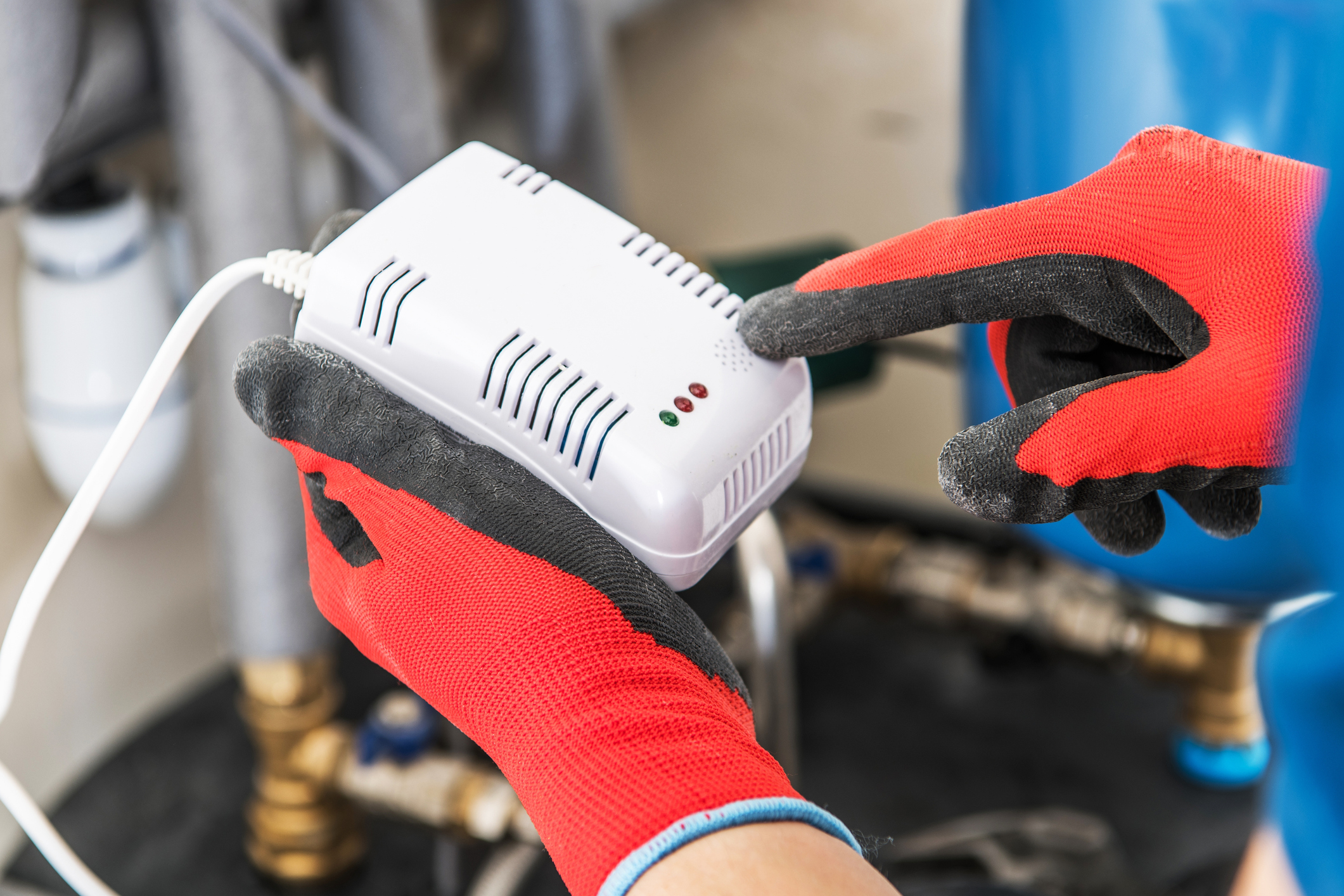
Carbon monoxide detectors are essential for early detection. Place them on every floor, especially near bedrooms, and test them regularly. This simple habit ensures your family receives timely alerts if it begins to accumulate.
Schedule a Winter HVAC Safety Inspection with Kobella
A winter safety inspection gives you peace of mind during the coldest months. Kobella is veteran-owned, follows a selective hiring process to ensure trustworthy technicians, and has been serving clients for over 18 years. Pairing a CO safety check with attention to your home’s indoor air quality helps you maintain a healthier environment all season long.
Schedule your service and keep your Northeast Ohio house, whether near Ohio City or close to Tremont, protected throughout winter. Contact Kobella now to book your appointment.